Home recording upgrades: gear worth buying first
Start with the parts that shape every take
Home recording can make a modest song sound polished, or make a strong performance sound thin. The difference often comes from a few basic pieces of equipment rather than the newest flagship tool. Before spending on a major instrument or a large studio change, it helps to understand which purchases improve the recording at the source and which ones mainly add convenience.
A useful way to think about a home studio is as a chain. Sound starts with the voice or instrument, moves through a microphone or direct input, passes into an audio interface, then reaches software, monitor speakers and headphones. Weakness at the start of that signal chain is hard to repair later. A clear performance captured well gives every later decision more room to work.
A solid microphone before a dramatic collection
The microphone is one of the first pieces worth considering because it decides how the source is captured. That does not mean the most expensive model is always the right one. A simple cardioid condenser can suit vocals, acoustic guitar and many detail-heavy sources in a treated room. A dynamic microphone can be more forgiving in a room with traffic noise, hard walls or an untreated ceiling. Ribbon microphones can offer a softer top end, but they need more care and careful placement.
The practical question is what is being recorded most often. A singer who records one vocal a week has different needs from someone capturing drum kits, amplifiers and field sounds. A versatile microphone with a clean sound and predictable pickup pattern can be more useful than several specialised models. Good mounting matters too. A stable stand and a simple shock mount reduce handling noise and make placement easier to repeat.
Room sound is part of the recording, even when it is not obvious. Soft furnishings, rugs, bookshelves and curtains can reduce harsh reflections, while a bare square room can make vocals sound boxy. This is not a reason to build a full studio before buying anything. It is a reason to place the microphone thoughtfully, avoid corners for vocals and listen for the room before reaching for software correction.

An audio interface that fits the workflow
An audio interface converts analogue sound into digital audio and sends it to a computer. It also provides inputs for microphones, instruments and line-level devices, along with outputs for listening. A good interface should make the daily process calm. That means clean preamps, clear level meters, reliable drivers and enough inputs for the way the space is actually used.
Too many inputs can be wasted if there is no room for multiple performers or no reason to record several sources at once. Too few inputs can become frustrating quickly. A two-input interface can handle a vocal and a guitar, or a stereo pair. Four inputs leave more room for a small drum setup or two musicians. Headphone outputs are worth checking as well, especially when more than one person records at the same time.
Phantom power is another detail that matters. Many condenser microphones need it, and an interface that supplies it removes the need for a separate box. Latency, the delay between playing and hearing the monitored sound, is also important. Direct monitoring through the interface can make recording feel immediate, even when the computer is working hard.
Monitoring that tells the truth
Monitor speakers and headphones are not just playback accessories. They shape the decisions made while recording and mixing. If the monitoring system adds too much bass, mixes may end up thin elsewhere. If it hides detail in the midrange, vocals and instruments can become crowded. Accurate, familiar monitoring is often more valuable than another plug-in.
Studio monitor speakers are designed for nearfield listening, usually placed close to the listening position and angled toward the listener. Placement can change their sound as much as the model itself. They should sit away from walls where possible, at a sensible height, with the tweeters near ear level. Small rooms need careful bass expectations. A pair of headphones can reveal detail, stereo placement and noise that speakers in a small room may mask.
Open-back headphones can feel natural and spacious, but they leak sound into the microphone. Closed-back headphones suit tracking because they keep headphone spill down, though they may exaggerate bass or feel less open. A useful setup often includes both, or at least one pair known well enough to make steady decisions.
Where used music gear fits
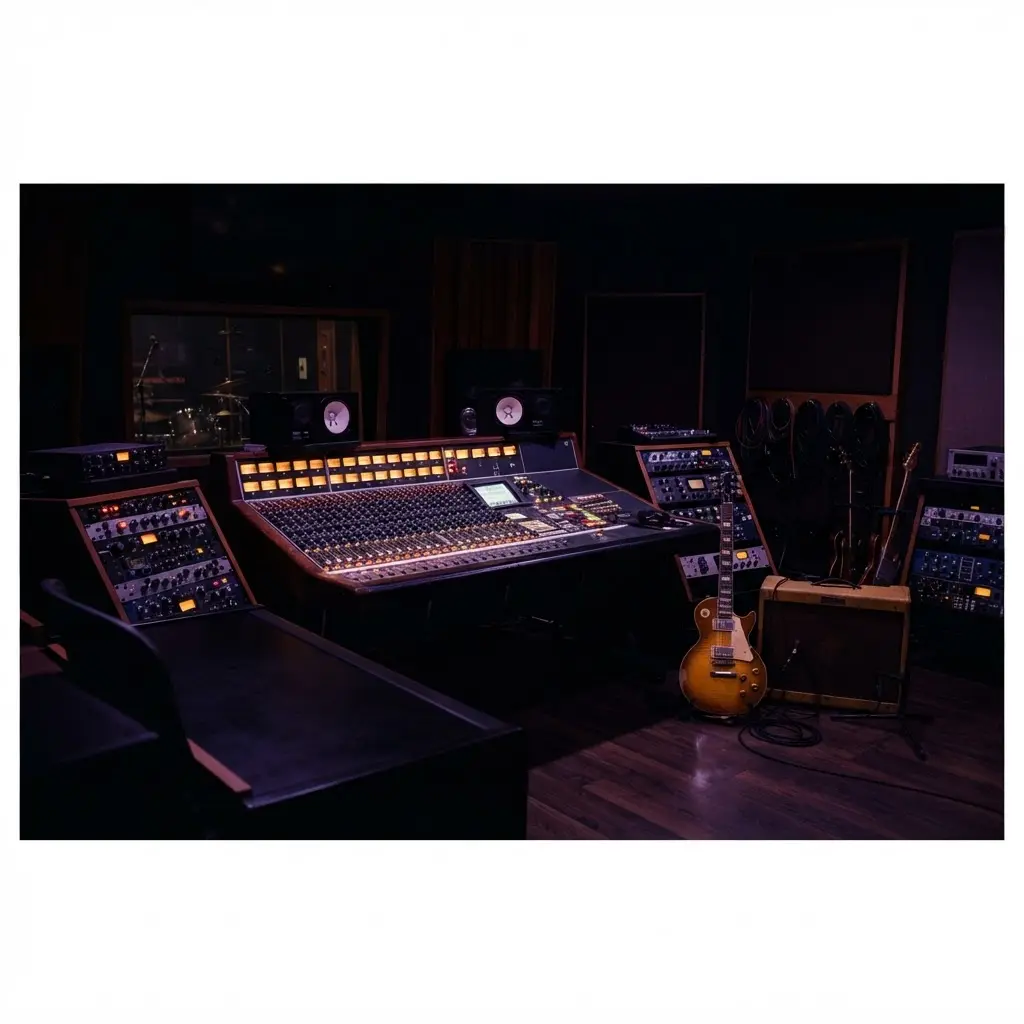
Buying carefully can make earlier upgrades more practical. A market for used music gear can give access to older microphone designs, sturdy interfaces and monitor speakers that were built for long studio use. The appeal is not only age or appearance. Many tools remain useful because their core job has not changed. A microphone still captures a source, an interface still converts it, and a monitor still reveals what the recording contains.
Condition should be checked in plain, practical terms. For a microphone, look at the body, grille, mount and connector, then ask whether the sound is clean across the range. For an interface, check that every input and output behaves, that knobs do not crackle, and that the unit connects reliably. For monitor speakers, listen for distortion, buzzing, uneven bass and faults in one channel. Warranty and shipping protection may matter when buying without seeing a item in person, since they affect how risk is handled if something arrives damaged or fails early.
Resale value is worth considering, but it should not lead the decision. A tool that suits the room and the work has more value in daily use than a famous model that sits unused. Flexible, reliable equipment tends to remain easier to pass on, especially when it keeps its original accessories and has a clear history.
Accessories that quietly improve results
Some of the most useful purchases are unglamorous. A good cable can prevent hum, crackles and intermittent faults. A stable microphone stand keeps placement consistent. A pop filter reduces plosive bursts on vocals without changing the performance. A keyboard stand, padded stool or cable labels can make a room easier to use, which matters when ideas need to be captured quickly.
Acoustic treatment can also be a sensible early step. Broadband panels, bass traps and thick curtains address different problems, and room size changes what is needed. The aim is not to make a room silent. It is to reduce reflections that smear detail and to make monitoring more dependable. Before adding panels, listen from different spots in the room and notice where the sound becomes more even.
Backups deserve attention as well. Recording without a reliable save process can turn a good session into a loss. An external drive, a clear folder structure and a simple habit of keeping copies protect the work. This is less exciting than a new synth, but it supports every session that follows.
Choosing upgrades in the right order
The first purchase should solve the clearest problem in the current setup. If vocals sound harsh, the room and microphone placement may matter more than another processor. If recordings are noisy, level setting, cables and input gain deserve attention. If mixes translate poorly, monitor speakers and room placement may be the weak point. If sessions stop because of a slow or unreliable computer workflow, storage or a simpler interface may help more than a new instrument.
A practical order often looks like this:
- Reliable monitoring, including headphones suited to tracking.
- A microphone that matches the main source and the room.
- An audio interface with the right inputs and stable connections.
- Basic acoustic treatment and placement improvements.
- Cables, stands, storage and other tools that prevent session friction.
This order is not a rule. A producer recording distant instruments may need better preamps early. A songwriter working with a single keyboard may get more from monitor speakers than a microphone. The point is to connect each purchase to a sound or workflow problem that can be heard or felt.

What a careful buyer should listen for
Before committing to equipment, compare it against familiar material. Vocal recordings reveal sibilance, room colour and low-level noise. Acoustic guitar shows whether a microphone captures body without excessive brightness. Drum recordings expose transient response and room balance. Monitor speakers should be judged on balance, clarity and how they handle familiar tracks rather than on volume alone.
Ask what the item includes. Power supplies, mounts, cables, software licences and original packaging can all affect day-to-day use. Instrument condition matters when looking at gear that has been moved, stored or used in live settings. Cosmetic marks may be harmless, but loose connectors, worn faders, damaged diaphragms or uneven output can affect recording. A careful visual check and a listening test are more useful than a polished description.
Expensive upgrades can wait until the basics are dependable. Once the source is captured cleanly, monitoring is familiar and the workflow is steady, new equipment becomes easier to judge. Each addition then has a clear role, and the studio grows around the music rather than around shopping. That approach keeps spending tied to sound, which is the part listeners actually hear.